



The Complete Guide to Nigerian Fashion Trends in 2026
The Complete Guide to Nigerian Fashion Trends in 2026
Nigeria has long been one of the most influential fashion hubs in Africa. From vibrant traditional attire to modern streetwear, Nigerian fashion continues to evolve, blending culture, creativity, and global influences. In 2026, Nigerian fashion is witnessing exciting transformations driven by innovation, cultural pride, and new consumer demands.
This guide explores the major fashion trends shaping Nigeria in 2026, helping fashion lovers, designers, and entrepreneurs stay ahead in the industry.
1. A Strong Return to African Heritage
One of the biggest trends in 2026 is the revival of traditional African fashion elements. Nigerians are increasingly embracing clothing that reflects their cultural identity.
Popular traditional fabrics making strong appearances include:
- Ankara
- Aso-Oke
- Adire
- George fabric
- Lace and Senator materials
Designers are blending traditional fabrics with modern cuts, creating outfits that work for both formal and casual occasions.
Examples include:
- Ankara two-piece suits
- Modern Aso-Oke dresses
- Adire jackets paired with jeans
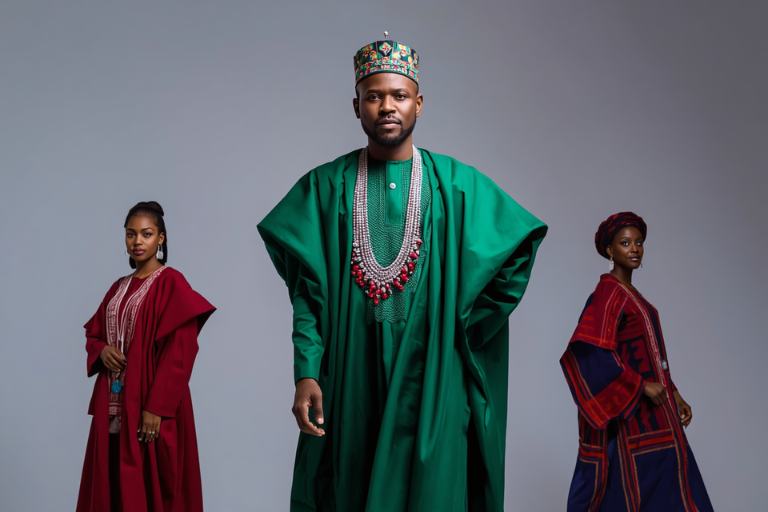
- Contemporary agbada designs
This trend reflects a growing pride in African heritage and locally made fashion.
2. Minimalist Luxury Fashion
Another noticeable trend in 2026 is minimalist luxury. Instead of overly complex designs, many people now prefer:
- Clean cuts
- Neutral colors
- Simple but elegant outfits
- High-quality fabrics
Minimalist fashion focuses on fit, structure, and quality rather than excessive decoration.
Popular colors include:
- Cream
- Beige
- Chocolate brown
- Olive green
- Black and white
These colors create timeless styles suitable for business meetings, events, and everyday wear.
3. Gender-Neutral Fashion
Fashion boundaries between men and women are becoming more flexible in 2026. Many designers are introducing gender-neutral clothing collections.
Examples include:
- Oversized shirts
- Relaxed trousers
- Unisex kaftans
- Neutral-colored suits
This trend focuses on comfort, simplicity, and universal appeal, making clothing accessible to a broader audience.
4. Modernized Traditional Attire
Traditional clothing such as Agbada, Buba, Iro, and Senator wear is being redesigned with modern aesthetics.
Modern features include:
- Slimmer silhouettes
- Shorter agbada styles
- Structured buba tops
- Contemporary embroidery patterns
This allows traditional outfits to feel stylish, youthful, and globally appealing.
5. Sustainable and Ethical Fashion
Sustainability is becoming an important topic in Nigerian fashion. Consumers are now more interested in:
- Durable clothing
- Eco-friendly fabrics
- Ethical production practices
- Supporting local designers
Many fashion houses are reducing fabric waste and adopting responsible production methods.
This trend is expected to grow significantly in the coming years.
6. Tech-Influenced Fashion
Technology is increasingly shaping how fashion is produced, marketed, and consumed in Nigeria.
Some innovations include:
- AI-generated fashion designs
- Digital clothing mockups
- Virtual fashion showcases
- Online fashion marketplaces
Fashion brands are also using social media, AI design tools, and e-commerce platforms to reach wider audiences.
7. Statement Sleeves and Bold Silhouettes
While minimalism is trending, bold designs still play a major role in Nigerian fashion.
Popular statement features include:
- Dramatic sleeves
- Layered dresses
- Structured shoulders
- Flowing gowns
These styles are particularly popular for:
- Weddings
- Red carpet events
- Celebrations and parties
They add elegance and personality to fashion pieces.
8. Corporate Native Wear
Corporate environments in Nigeria are embracing native attire as professional clothing.
Modern corporate styles include:
- Senator wear with subtle embroidery
- Ankara blazers
- Native two-piece outfits
- Corporate kaftans
These outfits combine professional appearance with cultural identity, making them popular among professionals and entrepreneurs.
9. Streetwear Influence
Streetwear is gaining strong momentum among Nigerian youth.
Popular streetwear elements include:
- Graphic T-shirts
- Oversized hoodies
- Cargo pants
- Sneakers
Local designers are incorporating African prints into streetwear, creating unique hybrid styles.
10. Custom-Made Fashion
Personalized fashion continues to dominate the Nigerian market.
Many customers prefer:
- Custom-fitted garments
- Unique designs
- Personalized measurements
- Exclusive styles
Custom fashion offers better fit, individuality, and luxury, which is why many Nigerians prefer bespoke outfits over ready-made clothing.
Fashion houses that specialize in custom garments are experiencing growing demand.
The Future of Nigerian Fashion
Nigeria’s fashion industry is expanding rapidly and gaining global recognition. Designers, garment manufacturers, and fashion entrepreneurs are contributing to a vibrant industry that celebrates creativity, culture, and innovation.
In the coming years, we can expect:
- Greater international visibility for Nigerian designers
- Growth in garment manufacturing
- Increased use of technology in fashion production
- Stronger global demand for African fashion
Nigeria is gradually positioning itself as one of the leading fashion capitals of Africa.
Final Thoughts
Fashion in Nigeria is more than clothing—it is an expression of culture, creativity, and identity. The trends of 2026 highlight a perfect blend of tradition and modern innovation.
Whether through modern traditional wear, sustainable production, minimalist luxury, or tech-driven design, Nigerian fashion continues to evolve and inspire the world.
At Ebi Bellas Fashion Place LTD, we are proud to be part of this evolving industry by delivering high-quality garments that reflect creativity, craftsmanship, and excellence.